Yvonne Bailey Smith — The Quiet Storyteller Behind Generations of Creative Voices

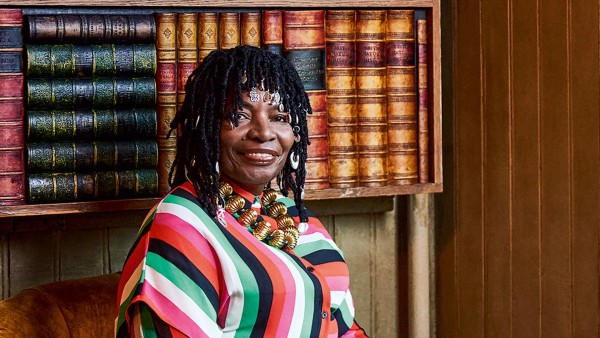
Often, when we celebrate the achievements of renowned artists and writers, there’s a lesser‑known figure whose presence, values, and lived experience helped shape those very successes. Yvonne Bailey Smith is one such figure — a woman whose personal journey of migration, community care, and creative expression not only enriched her own life but also laid emotional and cultural foundations for her children, including internationally acclaimed novelist Zadie Smith.
While the world may know Zadie Smith for White Teeth and other acclaimed works, the story of her mother is equally compelling — rich with heritage, community engagement, professional dedication, and literary emergence later in life. Yvonne Bailey Smith’s life encompasses themes of migration, identity, emotional work, caregiving, and finally, personal expression through fiction. In telling her story, we can appreciate the ways in which human lives — though often lived away from spotlight — shape the literary, artistic, and social worlds around them.
Quick Bio — Yvonne Bailey Smith
| Attributes | Details |
|---|---|
| Full Name | Yvonne Bailey Smith |
| Birthplace | Jamaica |
| Migration to UK | 1969 as a teenager |
| Profession | Former social worker and psychotherapist |
| Author | The Day I Fell Off My Island (2021) |
| Children | Zadie Smith (novelist), Ben Bailey Smith (comedian/author/actor), LucSkyz (lyricist) |
| Residence | North London, UK |
| Identity | Advocate for cultural memory and emotional storytelling |
A Childhood and Early Migration — Jamaica to Britain
Yvonne Bailey Smith was born in Jamaica and, like many members of the Windrush generation, moved to the United Kingdom as a teenager in 1969, a time of cultural shifts, migration waves, and evolving racial politics.
Arriving in Britain was a huge shock, she later recalled — a transition from the warmth, spaces, and freedom of rural Jamaican life to the often cramped, unfamiliar urban environments of northwest London. The experience of migration — emotionally, culturally, and socially — would become a defining influence on her identity and later creative imagination.
That early encounter with new landscapes, languages, weather, and social dynamics mirrored the stories experienced by countless Caribbean immigrants and laid the groundwork for the powerful narratives she would eventually explore in fiction.
Also Read: Marianne Reedus — The Woman Behind a Star: Life, Legacy & Influence
Professional Life — From Social Work to Psychotherapy
Before becoming a published author, Yvonne Bailey Smith built a long and meaningful career in social work and psychotherapy — professions deeply rooted in listening, care, emotional intelligence, and community support.
Her work in the National Health Service (NHS) and in community contexts brought her into contact with people from many walks of life and cultural backgrounds. Over the years, she worked with dozens of nationalities, helping people navigate emotional struggles, interpersonal challenges, and often the trauma ingrained in social marginalization.
Such professional experience, grounded in empathy and deep listening, aligns with the psychological and relational insights seen in her children’s creative work — particularly in Zadie’s novels, where characters wrestle with belonging, identity, stereotype, and the complex ties between generations.
Her training and years in psychotherapy also gave her tools to understand stories as lived experience, helping her later as a novelist who could portray the intricacies of memory, migration, and emotional nuance.
Family Life — Raising Creative and Courageous Children
Yvonne Bailey Smith’s family life played a central role in her personal narrative and, by extension, in British cultural history. She is the mother of three children, each of whom has made significant creative contributions in their own right:
- Zadie Smith — internationally acclaimed novelist;
- Ben Bailey Smith (also known as Doc Brown) — actor, rapper, children’s author, and comedian;
- LucSkyz — lyricist and writer.
Raising three children with such distinct creative paths required encouragement, openness, and respect for individuality. Far from pushing her children toward any single career trajectory, Yvonne Bailey Smith fostered an environment rich in stories, books, and intellectual curiosity — qualities she herself valued deeply.
Zadie Smith has often spoken about her childhood being shaped by books, conversation, and a sense that storytelling mattered. These early experiences reflect not only a household where words were valued, but where emotional insight and cultural reflection were part of everyday life.
Influence Behind the Scenes: Culture, Story, and Emotional Depth
Even before becoming an author, Yvonne Bailey Smith’s influence extended into her children’s creative spheres. Her life balance — holding professional responsibilities while nurturing home life and cultural memory — provided a context in which artistic curiosity could flourish.
Her earlier career meant that she was not just a parent, but a practicing observer of human experience — listening deeply, valuing narrative, and understanding how life’s challenges shape character. This orientation resonates in the ways Zadie and her siblings approach storytelling: attentive, empathetic, and aware of cultural nuance.
Her children’s success did not eclipse her own identity; instead, it highlighted a deeper truth: that influence can be transmitted quietly, without fanfare, through daily life, encouragement, and the sharing of ideas.
Also Read: Henry Robert Witherspoon — A Life of Struggle, Redemption, and Lasting Influence
A Literary Debut in Later Life — The Day I Fell Off My Island
After many decades in social work and psychotherapy — combined with a life filled with personal experience of migration and community — Yvonne Bailey Smith made a bold and deeply personal creative choice: she wrote and published her first novel, The Day I Fell Off My Island (2021).
The novel is a coming‑of‑age story that follows the life of a young Jamaican girl named Erna Mullings. The narrative explores themes of identity, displacement, love and loss, and the cultural friction that arises when a child leaves Jamaica to join her family in England. Although fictionalized, the book is rooted in experiences not unlike Yvonne Bailey Smith’s own: migration at a young age, separation from family, the psychological tension of belonging and displacement.
The way she uses Jamaican patois in the first half of the novel is notable; rather than conforming to standardised English, she honours Jamaican linguistic richness — showing respect for heritage and cultural depth in voice and dialogue.
The novel has been widely praised for its emotional resonance, authenticity, and cultural insight. It was also shortlisted for multiple literary awards, including the Authors’ Club Best First Novel Award, Diverse Book Awards, and the Paul Torday Memorial Prize — recognition that underscores its powerful storytelling and relevance.
Personal Courage: Writing in Later Life
What makes Yvonne Bailey Smith’s literary debut significant is the timing and personal courage behind it. She published her first novel in her sixties, after decades of professional work in other fields. This is a vivid example of the idea that creative expression is not restricted by age, background, or early career choices — but often comes from a lifetime of experiences and insight.
In interviews, Yvonne Bailey Smith has spoken about her ambivalence and nervousness about bringing her novel into the world — including feeling terrified to show it to her own daughter, Zadie, when it was complete. That vulnerability itself is a testament to the deeply personal nature of storytelling and the emotional risk involved in sharing one’s own narrative voice.
Her late‑life emergence as a novelist also challenges prevalent cultural assumptions about when creativity must happen. It shows that meaningful artistic contribution can arrive at any stage of life, especially when grounded in emotional realism and human insight.
Migration, Identity, and the Caribbean Experience
Yvonne Bailey Smith’s personal experience of leaving Jamaica at age 14 — a transition she has described as a “huge shock” — reflects broader narratives of the Caribbean diaspora in Britain. Her novel’s themes, and her own reflections, highlight what many second‑generation migrants have lived: the challenge of belonging in two worlds and the emotional labour of reconciling memory with everyday life.
The intergenerational tension of leaving one culture to grow into another — while maintaining loyalty to heritage and family memory — is a powerful line running through both her life and fiction.
Legacy and Impact — Beyond Headlines
Yvonne Bailey Smith’s legacy is not defined by publicity or celebrity. Instead, it rests on several enduring elements:
1. Emotional and Cultural Transmission
Her values, stories, and lived experiences helped shape her children’s creative paths without dominating them.
2. Professional Care Work
Years spent caring for others as a social worker and psychotherapist nourished a deep understanding of human complexities — a gift that now infuses her fiction and the worlds her children build through their own creative work.
3. Literary Voice Late in Life
Publishing The Day I Fell Off My Island — drawing on personal and cultural memory — contributes a significant voice to British literature, especially narratives of migration and Caribbean identity.
4. Quiet Influence on British Culture
Rather than seeking fame, her life shows how quiet influence through family, community, and creative expression can be deeply transformative.
Also Read: Jasmine Harman: The Life and Career of a Renowned Television Presenter and Property Expert
FAQ’s
Who is Yvonne Bailey Smith?
She is a Jamaican‑born British author, psychotherapist, and former social worker, known for her debut novel The Day I Fell Off My Island and as the mother of novelist Zadie Smith.
What is her novel about?
The Day I Fell Off My Island is a coming‑of‑age story rooted in migration experiences between Jamaica and England, exploring identity, memory, and cultural belonging.
When did she move to the UK?
She immigrated to Britain in 1969 as a teenager, a transition that deeply influenced her writing and worldview.
Did she always want to be a writer?
Though she enjoyed storytelling, she pursued careers in social work and psychotherapy before publishing her first novel later in life.
Is she known in the literary world independently of her children?
Yes — her novel has been shortlisted for major awards and is recognized for its emotional depth and cultural insight.
Conclusion
Yvonne Bailey Smith’s life embodies the power of lived experience — as a migrant, caregiver, listener, and now a novelist. While she never sought fame, her impact ripples outward, not only through her own writing but through the artistic voices of her children and the cultural narratives her life represents.
Her story affirms that influence isn’t measured in headline moments, but in the quiet shaping of minds, hearts, and words — and that every life lived with depth, empathy, and curiosity has the potential to become a story worth telling.



One Comment